




KEYTAKEAWAYS
- Slower ETF inflows reflect normalization, not declining demand.
- ETFs are increasingly absorbing volatility instead of amplifying it.
- This shift is reinforcing Bitcoin’s resilience relative to higher-beta crypto assets

CONTENT
Bitcoin ETFs are not losing relevance — they are evolving from price drivers into stabilizing market infrastructure.
As 2025 draws to a close, the role of Bitcoin exchange-traded funds (ETFs) is once again under scrutiny.
Compared with the record-breaking inflows of 2024, net inflows into spot Bitcoin ETFs this year have clearly slowed. At the same time, Bitcoin’s price has failed to sustain a one-way rally, instead consolidating at high levels. This divergence between capital inflows and price performance has led many market participants to ask a familiar question: are Bitcoin ETFs losing their impact?
A closer look suggests a different conclusion. Rather than weakening, the function of Bitcoin ETFs appears to be evolving.
SLOWER INFLOWS DO NOT MEAN WEAKER DEMAND
In 2024, Bitcoin ETFs were new. Years of pent-up institutional demand were released almost simultaneously, and ETFs quickly became the primary channel for that capital. During this launch phase, inflows and price appreciation moved largely in tandem, reinforcing the idea that ETFs were a direct engine of the rally.
By contrast, 2025 reflects a more mature phase. Bitcoin ETFs are no longer a novelty but an established allocation tool. Institutional behavior has shifted accordingly — away from one-off positioning and toward portfolio rebalancing, rotation, and risk management.
Capital is still entering ETFs, but its intent has changed. As a result, the immediate price response has weakened. This is less a sign of declining interest than evidence that demand is becoming more structured and less speculative.
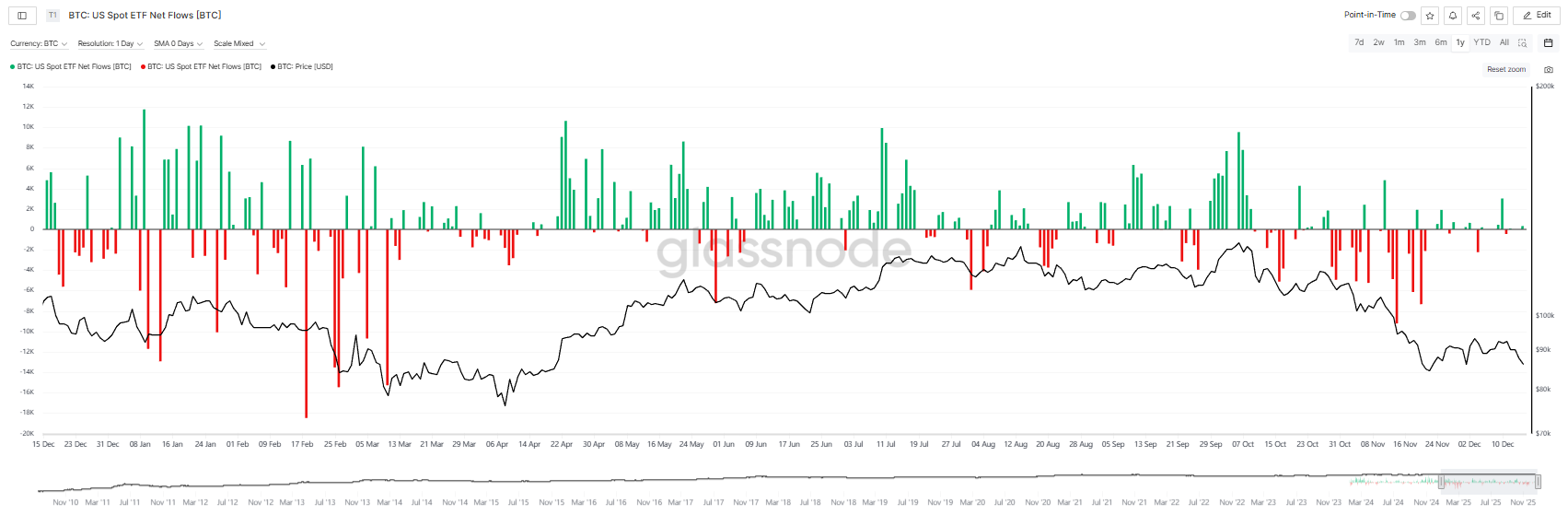
Figure 1: U.S. Spot Bitcoin ETF Net Flows (2024-2025)
FROM PRICE DRIVER TO MARKET STABILIZER
Recent flow data highlights this transition. Even during periods of price softness and broader market weakness, Bitcoin ETFs have not seen persistent or aggressive outflows. In several instances, net inflows have resumed despite falling spot prices.
At the same time, ETF trading volumes have declined, signaling reduced short-term speculation and a growing share of allocation-driven positions. Together, these trends point to a meaningful role shift.
Rather than amplifying price moves, ETFs are increasingly absorbing volatility. They are less active in chasing upside during rallies, but more willing to provide liquidity during pullbacks. This behavior aligns more closely with mature asset markets, where large pools of capital prioritize stability over momentum.
WHY BITCOIN IS HOLDING UP BETTER THAN THE REST OF CRYPTO
This structural change helps explain a key market dynamic: Bitcoin’s relative resilience compared with other digital assets.
While Bitcoin has remained range-bound at elevated levels, Ethereum and higher-beta crypto assets have faced sharper drawdowns. The divergence is not simply a matter of fundamentals, but of capital composition.
Bitcoin benefits from ETF-based inflows that are longer-term and less reactive. Most alternative assets remain heavily exposed to sentiment-driven capital, making them more vulnerable when risk appetite fades. In this sense, ETFs are not just supporting Bitcoin — they are reshaping the hierarchy of the crypto market itself.
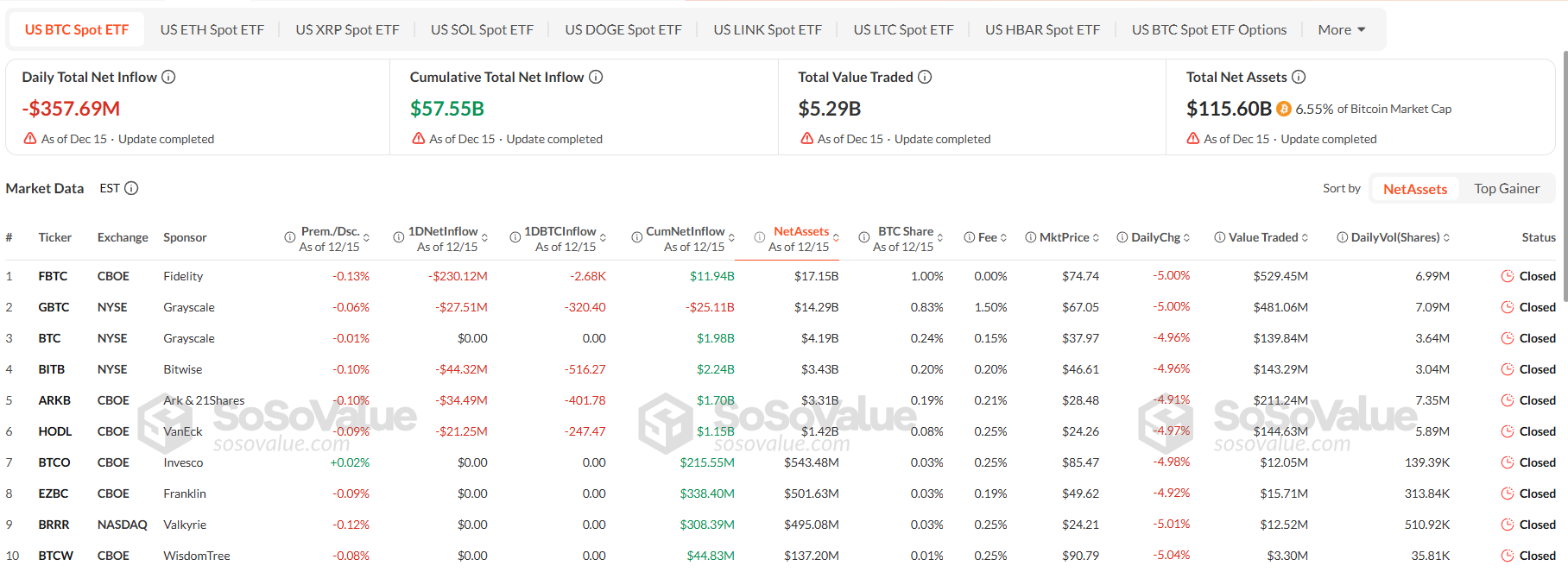
Figure 2: U.S. Spot Bitcoin ETF Cumulative Net Inflows / Total AUM (2024-2025)
ETF VALUE IS SHIFTING FROM SPEED TO RESILIENCE
Market narratives often judge ETFs by two metrics: how much capital they attract and how quickly prices rise. That framework made sense during the launch phase. It is less appropriate today.
In the current environment, the value of Bitcoin ETFs lies elsewhere — in reducing systemic volatility, improving liquidity during corrections, and anchoring longer-duration capital. The fact that inflows no longer set new records year after year does not signal failure. It signals normalization.
This transition may dampen short-term excitement, but it strengthens the market’s foundation over time.
CONCLUSION
Bitcoin ETFs may look less powerful than they did in 2024, but that perception misses the broader shift underway. Their role is moving from momentum generation to structural support.
The initial phase — opening the door to institutional capital — is largely complete. What follows is a period in which ETFs function as stabilizing infrastructure rather than rally accelerators. For the market, this likely means fewer explosive moves, but a more durable and mature price structure.
Read More:
Bitcoin Faces ETF Selling Pressure, But It’s Not a Bear Market