



KEYTAKEAWAYS

CONTENT
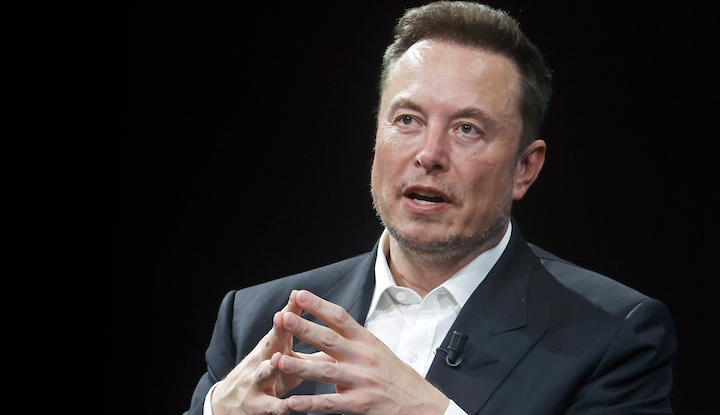
Internal documents released by OpenAI reveal that Elon Musk once supported exploring a $10 billion ICO in 2018 as a potential way to fund the organization’s mission before later abandoning the idea.
According to call transcripts and internal memoranda released by OpenAI in response to a lawsuit filed by Elon Musk, Musk agreed in January 2018 that OpenAI should consider raising funds through an ICO, with a target amount as high as $10 billion.
OPENAI CONSIDERED RAISING FUNDS VIA AN ICO
The documents show that Musk and the other founders were at the time discussing concrete plans to establish a for-profit arm, and viewed an ICO as a potentially viable fundraising tool to support OpenAI’s non-profit mission. The discussions covered the mechanics of a token issuance as well as how to strike a balance between commercial operations and public-interest objectives.
However, OpenAI stated that as the discussions progressed, Musk later changed his position that same month, concluding that the organization would struggle to raise sufficient capital through an ICO. As a result, he no longer supported the plan and decided to shift his focus back to artificial intelligence research at Tesla.
After Musk exited OpenAI later in 2018, the organization subsequently adjusted its development path, adopting a hybrid structure in which a non-profit entity controls a Public Benefit Corporation. This structure became the institutional foundation for its subsequent development and fundraising efforts and remains in operation today.
ICOs WERE ONCE A SERIOUS OPTION IN MAINSTREAM TECH CIRCLES
These internal discussion records reveal an early intersection between artificial intelligence and blockchain technologies. Between 2017 and 2018, ICOs were a common fundraising mechanism in the crypto market, allowing startups to rapidly raise large sums of capital by selling tokens to the public, during a period of intense market enthusiasm.
At a time when regulatory frameworks were still unclear and investor risk appetite was elevated, ICOs were widely seen as a faster and more flexible alternative to traditional venture capital. However, as market volatility increased and regulatory scrutiny intensified, the model quickly lost momentum and gradually fell out of the mainstream.
OpenAI’s serious internal evaluation of token-based fundraising also reflects that, before the ICO boom had fully faded, even leading figures in the mainstream technology industry had formally considered this model as a viable option.